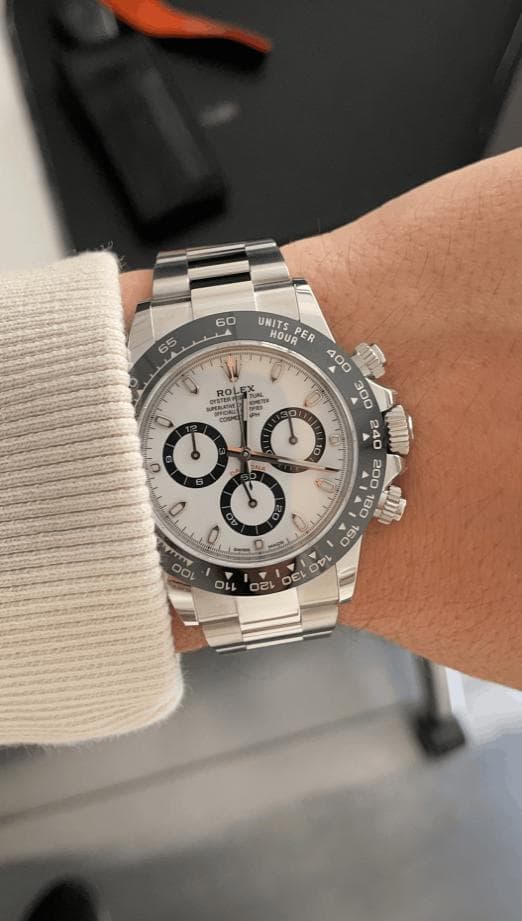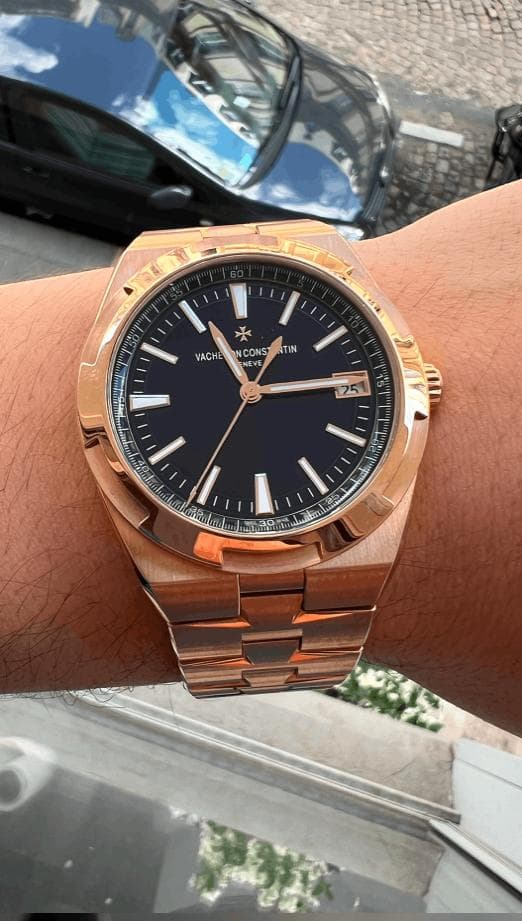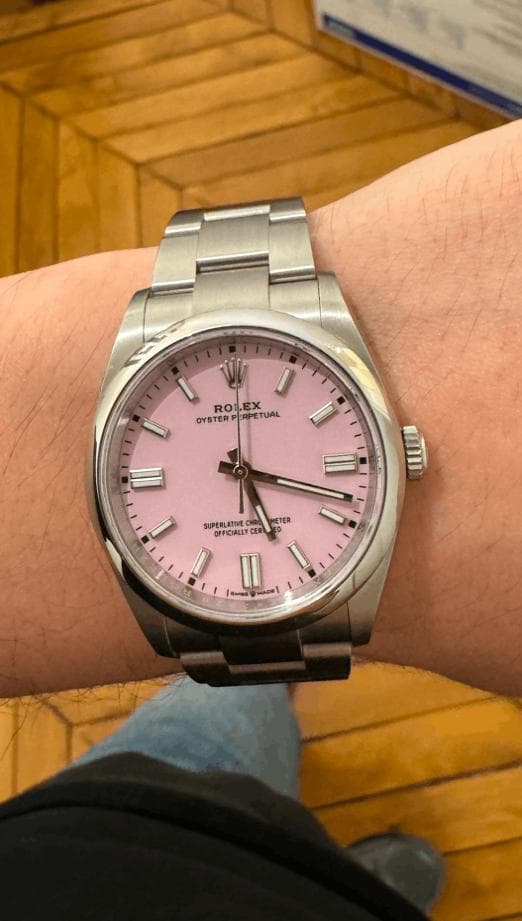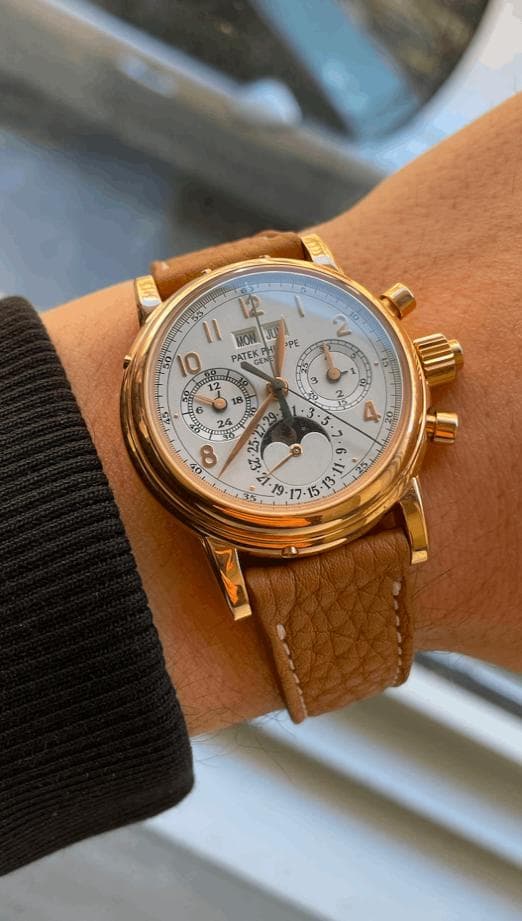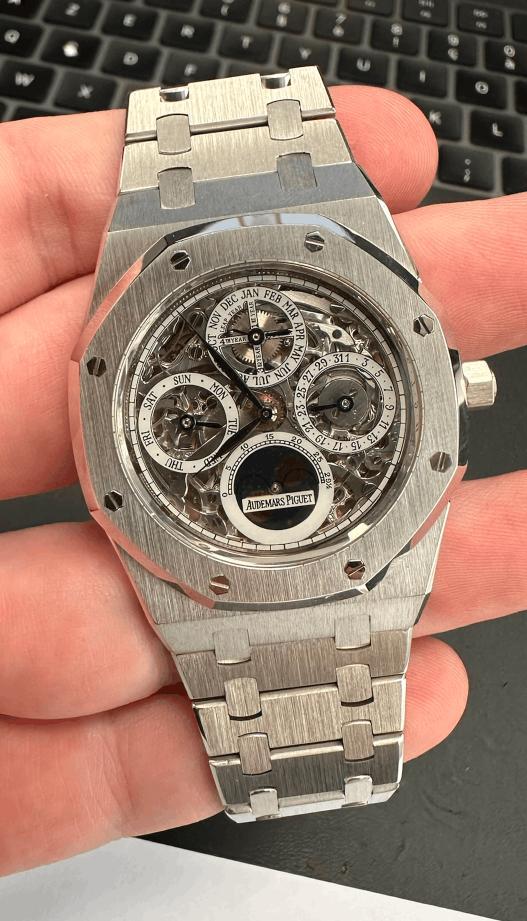
The words Swiss Made at the bottom of a dial are a legal indication of origin, defined by Swiss federal law, not a quality mark awarded by an independent body. Knowing what the label requires, what it does not, and how it differs from Swiss Movement, the Geneva Seal and a chronometer certificate helps you read a dial correctly and judge a seller's claims.
The legal framework
Switzerland protects the "Swiss" designation under its trade mark and indications of source legislation, with a specific ordinance for watches that dates from 1971 and was tightened by the "Swissness" reform that came into force on 1 January 2017. The 2017 rules apply to any watch produced since then.
Under the current rules, a watch may be labelled Swiss Made when, in summary:
- at least 60 percent of its manufacturing costs are generated in Switzerland;
- its movement is Swiss;
- the movement is cased up in Switzerland;
- the manufacturer carries out the final inspection in Switzerland;
- its technical development, meaning construction and prototyping, is carried out in Switzerland.
The movement itself is considered Swiss when it is assembled and inspected in Switzerland, when at least 60 percent of its manufacturing costs are generated in Switzerland, and when components of Swiss manufacture account for at least 50 percent of its value, assembly costs excluded. Before 2017 the main test was the 50 percent component rule for the movement alone, which allowed a watch with a largely foreign case, dial and hands to carry the label. The 60 percent cost rule for the whole watch closed that gap.
These are the commonly cited thresholds; the ordinance adds detailed provisions on which costs count, so a borderline product needs the full text. For buyers, the practical point is that Swiss Made now covers the watch, not just its movement.
Swiss Made, Swiss Movement and Swiss Parts
Three phrases appear on dials and casebacks, and they mean different things.
| Label | What it requires | What it tells a buyer |
|---|---|---|
| Swiss Made (or Swiss) | Swiss movement, cased and inspected in Switzerland, 60 percent of costs Swiss | The whole watch qualifies as Swiss in origin |
| Swiss Movement (or Swiss Movt) | The movement is Swiss, but the watch as a whole does not qualify | Case, dial and assembly may be from anywhere |
| Swiss Parts | Movement components are Swiss but the movement was assembled elsewhere | Neither the movement nor the watch is Swiss |
| Swiss Quartz | The Swiss Movement logic applied to a quartz caliber | Swiss quartz movement in a watch that may not be Swiss Made |
The word Swiss alone, as seen on many older and smaller dials, counts as a full Swiss Made indication under the ordinance. The ordinance also regulates how Swiss Movement and Swiss Parts are presented, so they cannot be styled to read as Swiss Made at a glance. Our guide on quartz versus automatic movements explains why the movement's origin is only one part of a watch's quality.
Geneva Seal and COSC are different things
Two other marks often appear alongside Swiss Made and are frequently confused with it.
Geneva Seal (Poinçon de Genève)
The Geneva Seal is a quality and origin hallmark established by the Canton of Geneva in 1886. It applies to movements and, since its modern revisions, to the finished watch, which must be assembled, adjusted and cased in the canton of Geneva, and it imposes finishing criteria such as polished bevels as well as performance tests. Only a few brands use it, among them Vacheron Constantin and Roger Dubuis. Patek Philippe used it until 2009 and then introduced its own Patek Philippe Seal. A watch can be Swiss Made without the Geneva Seal, and the word Genève on a dial indicates a place, not the hallmark.
COSC chronometer certification
COSC, the Contrôle Officiel Suisse des Chronomètres, is an independent Swiss body that tests movements for precision over several days in different positions and temperatures. A movement that passes may be described as a chronometer, and brands print Chronometer or Officially Certified on the dial. Rolex, Omega, Breitling and Tudor submit large numbers of movements. COSC tests the uncased movement against the ISO 3159 standard, so it says nothing about the case, finishing or water resistance. Omega and Tudor go further with selected movements certified as Master Chronometer by the Swiss Federal Institute of Metrology (METAS) after casing, which adds magnetic resistance and accuracy tests on the complete watch.
How to read the text on a dial
- SWISS MADE at 6 o'clock, often split either side of the index, is the standard modern form. SWISS alone is also a full indication and is common on vintage pieces.
- T SWISS T or SWISS T < 25 indicates tritium luminous material and dates a dial roughly to the 1960s through the late 1990s, when tritium was phased out, a point covered in our vintage watch collecting guide.
- SWISS MOVT or SWISS MOVEMENT signals that only the movement qualifies.
- JAPAN MOVT or MADE IN GERMANY are origin indications under other legal systems with their own criteria.
Dial text changes within a reference's production run, which makes it a useful clue when identifying generations of the same model, as the Speedmaster history guide shows. If you are identifying a watch from a photo, the WatchID web identifier will usually read the brand and model from the dial layout, and you can then check the origin text against what that reference should carry.
Why the label matters for value
Swiss Made carries a price premium in most markets because buyers associate it with the Swiss industry's reputation for mechanical movements, finishing and after-sales support. For resale, a Swiss Made watch is easier to sell and compares against a deeper pool of similar listings. The premium is a market effect, not a legal guarantee: a Swiss Made quartz fashion watch and a Swiss Made hand-finished chronograph meet the same legal test and sit at opposite ends of the price scale.
The label also matters for counterfeits. Replica makers print Swiss Made on dials freely, so the words themselves prove nothing. Use the physical checks in how to spot a fake luxury watch rather than relying on dial text.
Limits of the label
- Up to 40 percent of a Swiss Made watch's manufacturing cost can be generated outside Switzerland, and individual components such as cases, dials, hands or crystals may be foreign.
- The threshold is a cost ratio, not a count of parts or a measure of craftsmanship. It says nothing about hand finishing, in-house movements or design.
- Enforcement relies on Swiss customs, courts and the Federation of the Swiss Watch Industry acting against misuse, which cannot reach every grey-market product.
- Excellent watches are made outside Switzerland. German manufactures in Glashütte and Japanese brands such as Grand Seiko compete directly with Swiss Made products without the label.
Read Swiss Made as what it is: a statement of where most of the value was created and where the watch was assembled and inspected, one useful data point alongside the reference, the movement and the condition of the specific watch. Our guide on how to identify a watch shows where origin text fits in that process.