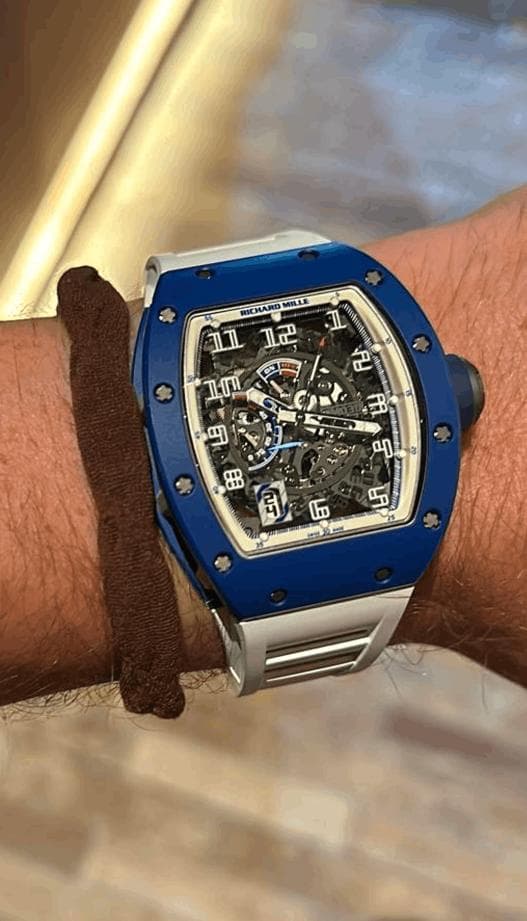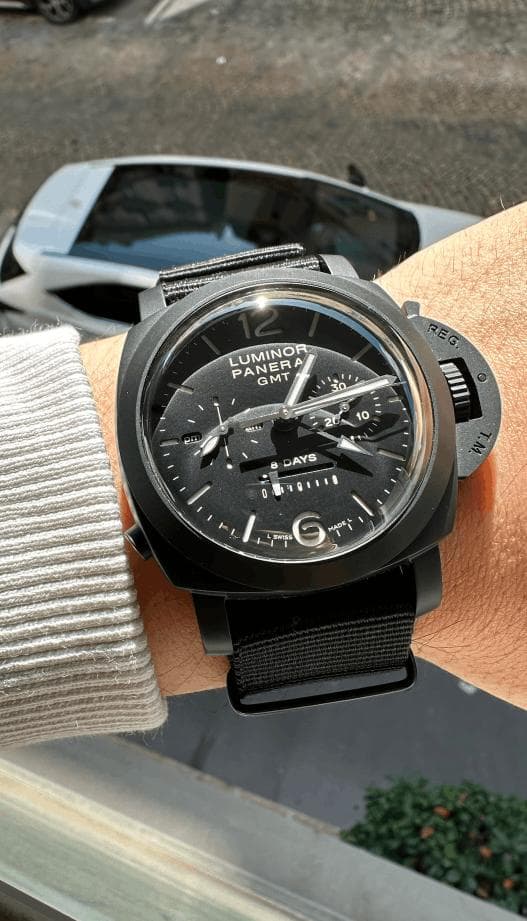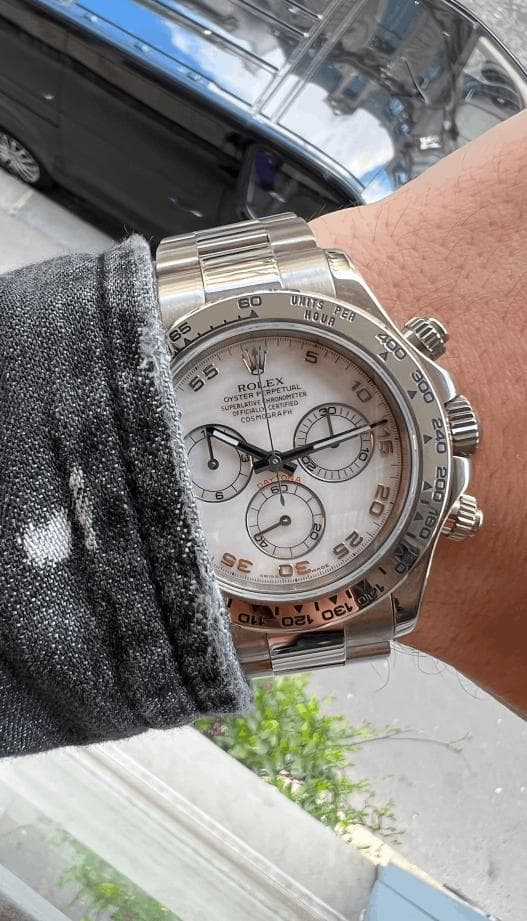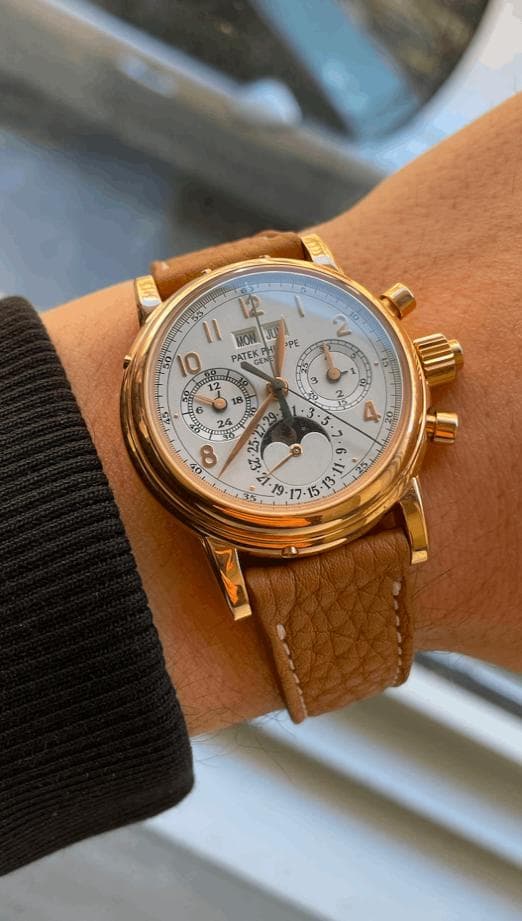
Searching for the best app to identify a watch returns a long list of tools that all promise instant answers from a photo. Some are general image search engines, some are community forums with an app wrapper, and a few are built specifically for watches. This guide explains what to look for, how the categories differ, how WatchID approaches the problem and how to test any app before trusting it.
What a good watch identifier should do
The job is not only to name a brand. A photo of a steel Submariner that returns Rolex has told you almost nothing you did not know. Judge an identifier on the following:
- Reference-level results. The useful answer is 126610LN, not Submariner. If the tool stops at the model, you still have research to do.
- Candidate shortlists. Some references cannot be separated from the front. A tool that returns two or three candidates with a note on what distinguishes them is being honest; one that always returns a single answer is hiding its uncertainty.
- Database coverage. Mainstream Rolex, Omega, Cartier and Seiko models are easy. Independent brands, discontinued references and regional variants are where databases differ.
- Listings and context. Seeing the candidate references alongside current marketplace listings lets you compare photos and understand the price range in one step.
- Speed. The answer should arrive in seconds, on a phone, in a shop or at a fair.
- Privacy. You are uploading photos. The policy should say whether they are stored and for how long.
- A free tier. You should be able to test the accuracy on watches you already know before paying.
The four kinds of tool
General reverse image search
Tools such as Google Lens match your photo against images on the public web. They are free, fast and good at recognising famous designs. They rarely return a reference number, because the matched pages may describe a different variant, and they tend to confuse watches that share a design language, such as a Tudor Black Bay and a Rolex Submariner. They are a reasonable first step when you have no idea of the brand.
Forums and communities
Watch forums and social media groups have identified obscure watches for decades. Human experts handle vintage, rare and modified pieces better than any algorithm. The cost is time: answers take hours or days, and quality depends on who is online. Forums remain the right choice for a watch that no automated tool recognises.
Marketplace search
If you already know the brand and have a guess at the model, typing it into a marketplace and scanning listing photos is a legitimate identification method. It fails when you do not know what to type, and it is slow when there are many candidates to browse.
Dedicated AI identifiers
These are trained on watch images labelled with references. They read dial layout, hands, bezel, case geometry and text, and return a ranked shortlist. Their accuracy on mainstream models is high and their coverage of rare pieces depends on the size and curation of the database behind them. The guide on identifying a watch from a photo explains what these models read and how to photograph for them.
Comparison of approaches
| Criterion | Reverse image search | Forums | Marketplace search | Dedicated AI identifier |
|---|---|---|---|---|
| Reference-level result | Rarely | Often, when an expert answers | Yes, if you already know the model | Usually, as a shortlist |
| Speed | Seconds | Hours to days | Minutes | Seconds |
| Vintage and rare watches | Weak | Strong | Moderate | Depends on the database |
| Marketplace listings | Indirect | No | Yes | Often built in |
| Cost | Free | Free | Free | Free tier, then paid |
| Privacy | Photo processed by a search engine | Photo posted publicly | Nothing uploaded | Depends on the policy |
| Authentication | No | Opinions only | No | No |
No approach authenticates a watch. That last row matters more than any other, and it is covered below.
How WatchID works
WatchID is the identifier built by Horoview, a Paris-based company that aggregates watch marketplace listings. It is available as an iPhone and Android app and as a free web identifier. The flow is simple:
- Take a photo or upload one, including a screenshot from a listing or a social post.
- The image is analysed and matched against a reference database. The result shows the brand, the model and a ranked list of reference candidates, so a steel Daytona with a black ceramic bezel comes back as 116500LN with the alternative candidates listed beneath it.
- Each candidate links to current marketplace listings gathered by Horoview, so you can compare photos and asking prices for the exact reference without leaving the result.
The app starts with a 3-day free trial so you can test it on watches you already know, then continues as a WatchID Pro subscription. Brand pages for Rolex, Omega, Patek Philippe, Audemars Piguet, Cartier, TAG Heuer, Breitling and Seiko start the search within a single brand.
Honest limitations
Any photo-based identifier, WatchID included, has limits worth stating plainly.
- Front-only information. References that differ in size or caliber but not in dial design, such as the 40 mm 116610LN and the 41 mm 126610LN, can only be separated by a caseback or between-lug engraving, or by measurement.
- Vintage and modified watches. Replaced dials, service hands and aftermarket bezels break the patterns the model relies on. Expect a family-level answer rather than a reference.
- Poor photos. Reflections, cropping and heavy compression reduce accuracy more than any other factor.
- Coverage gaps. Small independents and obscure fashion brands may not be in the database at all.
- Authenticity. A well-made replica looks like the genuine watch in a photo, because that is its purpose. An identifier tells you what a watch is meant to be, not whether it is real. For that, read how to spot a fake luxury watch.
How to test any app yourself
Do not take an app's accuracy claims, including ours, on faith. A twenty-minute test with watches you can verify will tell you more than any review.
- Gather ten photos of watches whose references you know for certain: your own, a friend's, or listings that show the caseback.
- Include at least two hard cases: a vintage piece, a watch from a smaller brand, or two references that share a dial design.
- Photograph each one the same way, straight on, in soft light, with the bezel in frame.
- Score each result: brand correct, model correct, exact reference in the shortlist, exact reference ranked first.
- Time the response and note whether the app explains why candidates differ.
- Read the privacy policy for photo retention and training use before uploading anything you would not want stored.
An app that scores well on brand and model but misses references on the hard cases is behaving normally. One that misses brands on mainstream watches, or that returns a single confident answer for two indistinguishable references, should not be trusted on a purchase decision.
Pair the app with manual checks
The fastest reliable workflow combines a photo tool with the physical checks that photos cannot replace. Use the app to get a shortlist, then confirm the reference and serial between the lugs or on the caseback, compare the result against the structure described in watch reference numbers explained, and for any Rolex follow the specific steps in how to identify a Rolex. The wider set of resources, from printed catalogues to serial dating tables, is covered in watch identification tools.