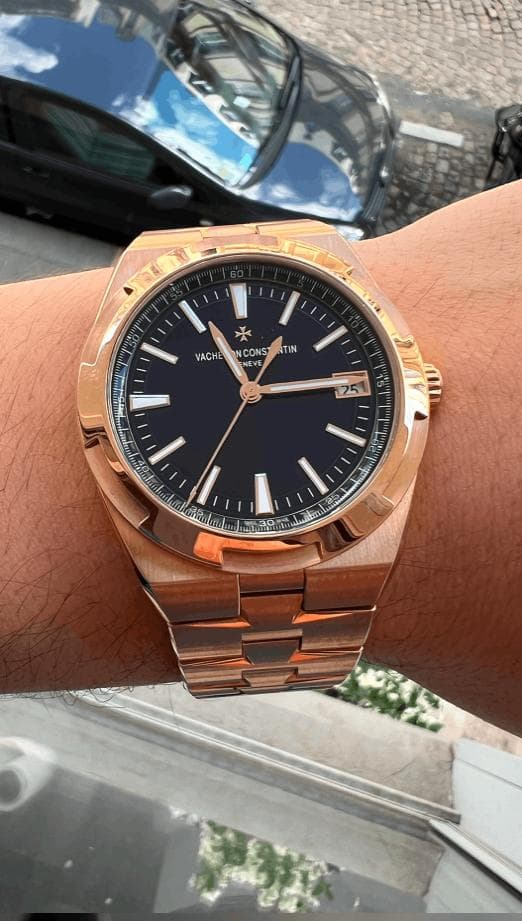
Vintage watches reward knowledge more than budget. A collector who understands originality, condition and provenance can build a satisfying collection from modest pieces, while a careless buyer can overpay for a watch that has been refinished beyond recognition. This guide covers the fundamentals.
What counts as vintage
There is no official definition. Most dealers and collectors treat a watch as vintage once it is roughly 25 to 30 years old, which today covers most pieces made before the late 1990s. Watches from the 1990s and early 2000s are often called neo-vintage, and anything over a century old is usually described as antique.
The distinction matters: true vintage pieces age visibly, spare parts are scarcer and originality drives value, while neo-vintage pieces are closer to modern watches and easier to service.
Choose a focus before you buy
A collection with a theme is easier to research and easier to enjoy. Common starting points:
- Brand: pick one maker and learn its catalogue, calibres and dial variations in depth.
- Era: 1950s dress watches, 1960s divers or 1970s integrated-bracelet designs each have a distinct look.
- Complication: chronographs, triple calendars, alarms or GMT watches.
- Budget: set a ceiling per piece and a ceiling for the year, including servicing.
Whatever the focus, spend the first months reading rather than buying, so that you know what a correct example looks like.
Originality versus restoration
Originality is the largest single factor in collector value. A watch leaves the factory with a specific dial, hands, crown, bezel, crystal and case finish. Every part changed since then moves it further from original, and the market prices that distance.
Redials
A redial is a dial that has been refinished and reprinted. Signs include fuzzy or uneven printing, misaligned text, lume plots in the wrong position, and a surface that looks too fresh for the age of the case. A redial is legitimate when disclosed, but many are sold as original.
Replaced hands and service parts
Manufacturers replaced worn parts during routine servicing for decades, so many honest vintage watches carry service hands, crowns or even dials fitted by the brand itself. The giveaway is usually a mismatch: hands whose lume has aged to a different colour from the dial plots, or a crown with a logo style introduced years after the watch was made. Service parts are not fakes, but they lower value relative to an untouched example.
Polished cases
Polishing removes metal. An over-polished case has soft edges, rounded lug tips, shallow or missing bevels and thinner lugs than the factory profile. Collectors pay a premium for sharp, unpolished cases, and any watch described as unpolished should be checked against reference photographs.
Patina, tropical dials and lume
Patina is honest ageing: even toning of a dial, lume that has turned cream or pumpkin, and light case wear that matches the age. Damage is different: water staining, flaking lume, rust on the movement or a cracked crystal.
A tropical dial is a black or dark dial whose lacquer has turned brown through years of exposure to light. Genuine tropical dials change evenly and keep their printing crisp. Blotchy or partial colour change is more likely damage than something desirable.
Lume also helps to date a piece. Radium was the standard luminous material until it was phased out in the early 1960s. Tritium followed and remained in use until the late 1990s, usually marked on the dial with a T beside the word Swiss. Non-radioactive compounds such as Super-LumiNova came after, so a watch with a 1960s reference, bright white lume and no T marking has almost certainly had its dial or hands replaced.
Reading reference and serial numbers
Most vintage watches carry two numbers. The reference identifies the model and case design. The serial identifies the individual watch and, with the manufacturer's production records, gives an approximate year. Where they sit varies by brand.
| Brand | Reference number | Serial number | Dating notes |
|---|---|---|---|
| Rolex | Between the lugs at 12 o'clock | Between the lugs at 6 o'clock | Published serial tables give an approximate production year |
| Tudor | Between the lugs at 12 o'clock | Between the lugs at 6 o'clock | Same layout as Rolex, with its own serial sequence |
| Omega | Inside the caseback | On the movement for most vintage pieces | Serial ranges map to a year; the calibre narrows the era |
| Longines | Caseback | On the movement | The brand offers archive extracts based on the serial |
| Seiko | Caseback, beside the calibre number | Caseback, six or seven digits | First digit is the last digit of the year, second is the month; the case style settles the decade |
Always compare the reference engraved on the case with the dial, hands and calibre expected for that reference. A mismatch is the fastest way to detect a watch assembled from parts. Our guide to watch reference numbers explains each brand's system, and if you have only a photograph to work from, identifying a watch from a photo shows what to look for.
Where to buy, and the red flags
Dealers, auctions and marketplaces
- Specialist dealers charge the most, but the watch has usually been serviced and honestly described, and there is a return policy.
- Auction houses offer wide choice and sometimes a fair hammer price, but buyer's premiums are significant, lots are sold as seen and condition reports vary.
- Online marketplaces have the largest selection and buyer protection that varies by platform. Volume also means more redials, frankenwatches and outright fakes.
Red flags
- No photograph of the movement, or a refusal to provide one.
- A price well below comparable sales without a clear reason.
- An all-original claim without close-ups of dial printing and lume.
- Lume on the hands that has aged to a different colour from the dial.
- A caseback reference that does not match the dial or calibre.
For the methods counterfeiters use on luxury pieces, read how to spot a fake luxury watch.
Servicing costs and parts availability
Budget for a service with every vintage purchase unless the seller can document recent work. A time-only movement is cheaper to service than a chronograph, and vintage movements need a watchmaker familiar with them, which can mean a waiting list.
Parts availability depends on the brand. Omega, Rolex and Seiko parts are relatively easy to source or have been remade. Dormant brands and small makers with their own calibres can be difficult, so ask about parts before buying.
Do not rely on the water resistance of any vintage watch. Gaskets harden, crowns wear and acrylic crystals shrink, so treat a vintage piece as splash resistant at best. Our guide to water resistance explains what the ratings meant when new.
Documentation, storage and insurance
Original box and papers raise value and reduce doubt, but they are rare for watches over 40 years old and can themselves be faked or mismatched. Some manufacturers offer archive extracts confirming the calibre, reference and delivery date for a given serial; availability and cost change, so check with the brand.
Store watches away from direct sunlight, humidity and strong magnets. A watch box or roll in a drawer is adequate until values justify a safe. Standard home insurance often caps individual items, so higher-value pieces usually need to be listed separately with a recent valuation.
Starter categories worth researching
- Vintage Seiko: 1960s and 1970s automatics, divers and chronographs are plentiful, well documented and straightforward to service. The Seiko identifier helps with the brand's many case codes.
- Omega Seamaster and Constellation: large production in the 1950s and 1960s means plenty of choice. Constellation pie-pan dials and Seamaster calendars are classic entry points, and redials are common. If chronographs appeal, the history of the Omega Speedmaster shows how one model line evolved over six decades.
- Tudor: Oyster Prince models and early Submariners used Rolex cases and crowns with outsourced movements, offering much of the Rolex vintage experience at a lower level.
- Longines: time-only Conquest and Flagship models from the 1950s and 1960s are accessible and well finished.
- Universal Genève: the Polerouter, designed by Gérald Genta with a micro-rotor calibre, and the Compax chronographs are collector favourites, though parts can be harder to find.
Whichever category you choose, start by identifying what you are looking at. WatchID identifies a watch from a photograph and returns brand, model and reference candidates with current listings, a baseline against which to check a seller's description. Identification is the first step; the checks above are what protect your money.