







Identification7 min read
How to Identify a Watch: A Step-by-Step Checklist
A practical checklist for identifying any watch: dial, case, caseback engravings, bracelet codes, movement and papers, plus photo-based identification.
Updated
A watch on a wrist in a film, on a colleague, in an old family photo or in a marketplace listing with no description. Upload the picture and find out what it is, or follow the five checks below.
Photos are used only to identify the watch and are deleted right after the scan. Identification is not an authentication or a valuation. Privacy Policy
Work through these in order. Most watches are identified by step three; the engravings in step four confirm the exact reference.
Start with the brand name or logo, then the model name if printed, then any text at six o'clock (Swiss Made, depth rating, chronometer). Note the layout: sub-dials, date window, day display, GMT hand.
Round, cushion, rectangular or tonneau; polished or brushed; a rotating dive bezel, a fixed tachymeter, or none. Case shape is often enough to narrow a brand down to one collection.
Integrated bracelets, Oyster or Jubilee links, bracelet codes on the clasp and end links all point to specific references. Straps are easier to swap, so weigh them less.
The reference is usually engraved on the caseback or between the lugs, with the serial nearby. These two numbers settle the question. See where each brand puts them in the brand pages below.
When you only have a picture, upload it to WatchID. The engine matches dial, hands, bezel and case against reference photos and returns ranked candidates to compare.
A photo identifier returns candidates, not a verdict. The first result is the closest match in the database; the next few are references that share the same design language. If the top candidates all belong to one collection, you have the model. If they split across collections, the photo needs to be sharper or closer.
Identification is not authentication. A replica can look exactly like the reference it copies. If you plan to buy, read how to spot a fake luxury watch and have the piece inspected.
Where the reference and serial numbers are, how to read them and what separates each collection.
Yes. WatchID identifies a watch from a photo, including a screenshot of a film still, an Instagram post or a listing. Upload the picture here or in the app and you get the brand, model and closest reference numbers.
Look for a logo, a signed crown, or a caseback engraving. Measure the case and note the shape, lug style and hands. A photo identifier can often match the design even without legible text, because it reads the whole watch rather than the name.
The brand is the maker, the model is the collection or line, and the reference is the maker's code for one exact configuration of case, dial and bracelet. Two watches with the same model name can have different references and very different values.
General image search can often find the brand or a similar listing, but it rarely isolates the reference and tends to return lookalikes. A dedicated watch identifier compares against reference photos and returns ranked candidates.
A practical checklist for identifying any watch: dial, case, caseback engravings, bracelet codes, movement and papers, plus photo-based identification.
Updated
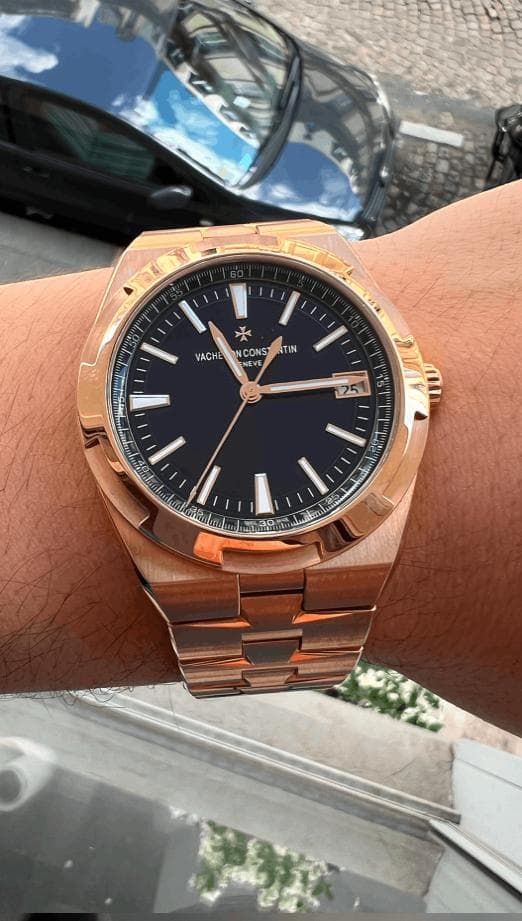
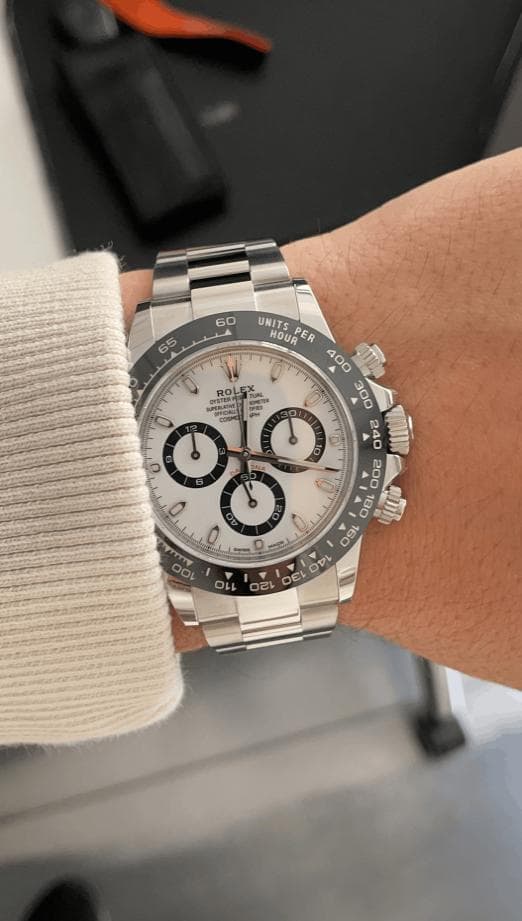
Learn how to identify a watch from a photo: how to shoot a usable image, what AI identifiers read, how to interpret results and when a photo is not enough.
Updated
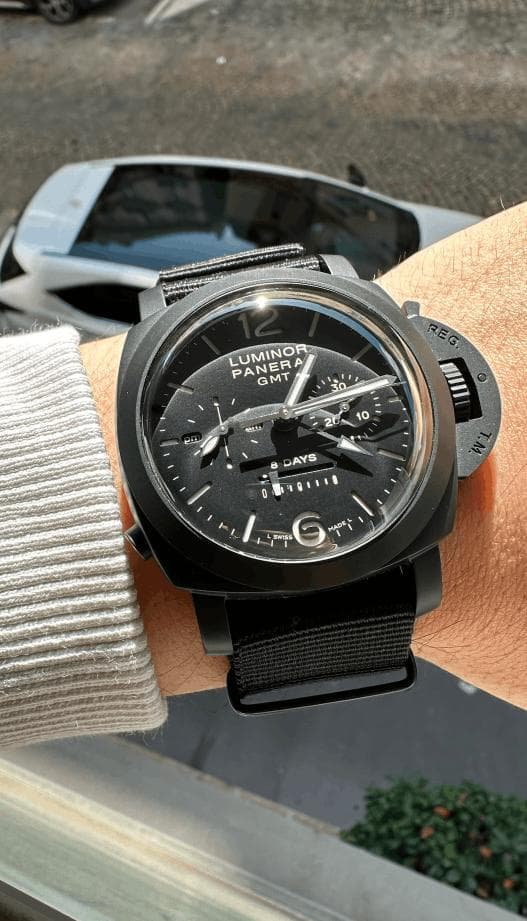
How watch reference numbers work at Rolex, Patek Philippe, Audemars Piguet, Omega, Cartier, Breitling, Tudor and Seiko, where to find them and how to search.
Updated